
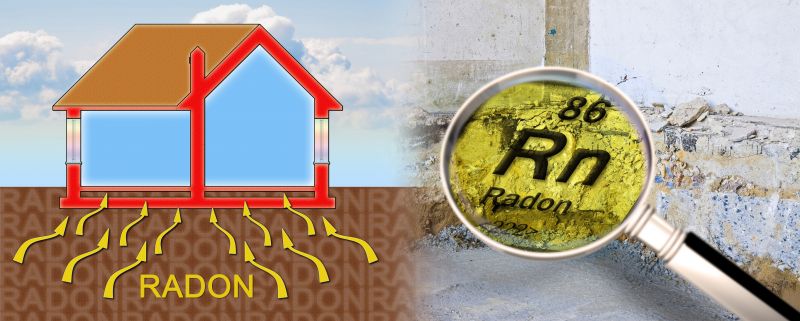
Radon Gas Abatement in Chicago, IL
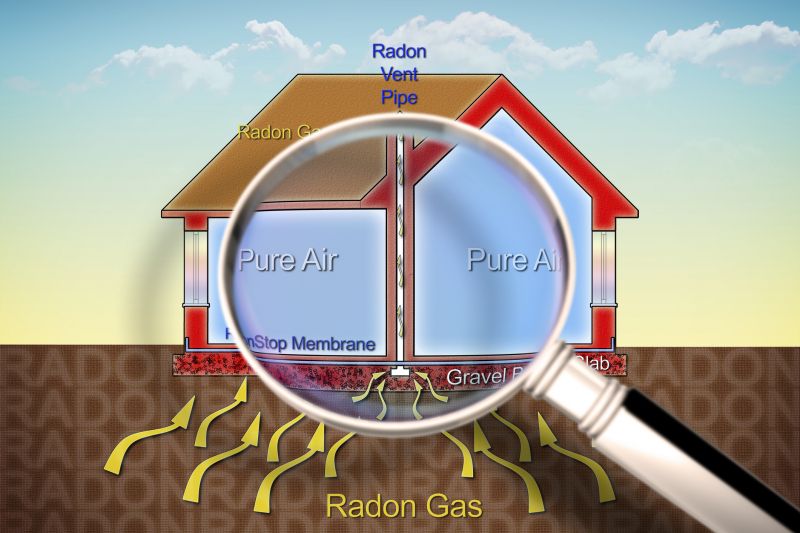
Radon gas abatement services focus on reducing elevated radon levels inside residential properties. This process typically involves installing specialized venting systems and barriers to prevent radon from seeping into living spaces, especially in homes with basements or crawl spaces. Projects often include testing to identify radon concentrations, followed by the implementation of mitigation solutions tailored to the specific layout and construction of the property. Homeowners considering radon abatement usually want to understand the extent of radon presence, the effectiveness of different mitigation methods, and how the system will integrate with their existing home features.
Before requesting radon gas abatement, property owners should gather information about the current radon levels through testing, as well as details about the home's foundation and ventilation. Understanding the potential costs involved and the maintenance requirements for the mitigation system can help in making informed decisions. It’s also helpful to know whether additional measures, such as sealing cracks or improving ventilation, are recommended as part of the overall radon reduction plan. This knowledge supports effective planning and ensures that the mitigation approach aligns with the specific needs of the property.
Many property owners in Chicago, IL look into Radon Gas Abatement for repairs, replacements, upgrades, and appearance-related improvements.
Radon Gas Risks
Radon exposure can pose health risks for homeowners in chicago and nearby areas.
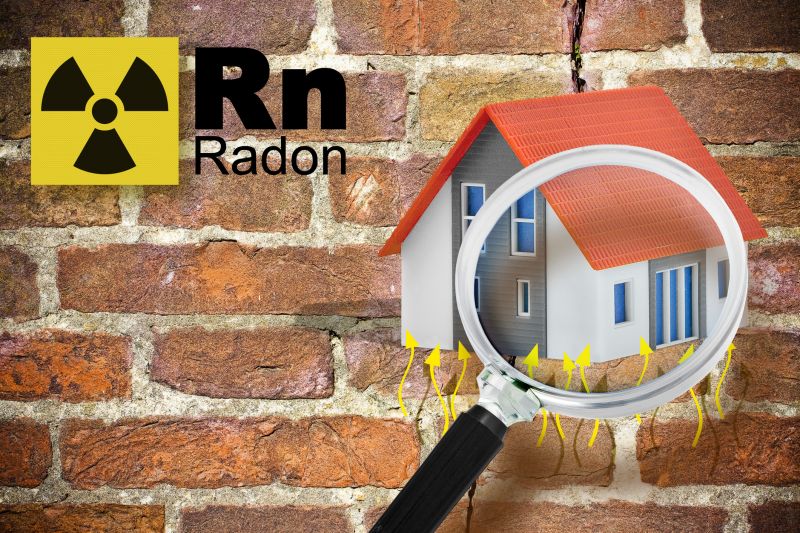
Abatement Solutions
Effective radon mitigation involves sealing entry points and installing ventilation systems.
Property Protection
Radon testing and abatement help safeguard residential and commercial properties from indoor air quality issues.
Radon Gas Abatement in Chicago, IL

Radon gas abatement services focus on reducing elevated radon levels inside residential properties. This process typically involves installing specialized venting systems and barriers to prevent radon from seeping into living spaces, especially in homes with basements or crawl spaces. Projects often include testing to identify radon concentrations, followed by the implementation of mitigation solutions tailored to the specific layout and construction of the property. Homeowners considering radon abatement usually want to understand the extent of radon presence, the effectiveness of different mitigation methods, and how the system will integrate with their existing home features.
Before requesting radon gas abatement, property owners should gather information about the current radon levels through testing, as well as details about the home's foundation and ventilation. Understanding the potential costs involved and the maintenance requirements for the mitigation system can help in making informed decisions. It’s also helpful to know whether additional measures, such as sealing cracks or improving ventilation, are recommended as part of the overall radon reduction plan. This knowledge supports effective planning and ensures that the mitigation approach aligns with the specific needs of the property.
Many property owners in Chicago, IL look into Radon Gas Abatement for repairs, replacements, upgrades, and appearance-related improvements.
Common Radon Gas Abatement Jobs
Radon mitigation system installation - reduces radon levels in homes through venting and sealing techniques.
Sub-slab depressurization - draws radon gas from beneath the foundation to prevent entry into living spaces.
Foundation sealing and sealing - blocks radon entry points around basement walls and floors.
Radon testing services - measures radon levels to assess indoor air quality and the need for abatement.
Vent pipe and fan installation - safely directs radon gas outside away from the home’s interior.
Radon reduction consultation - provides guidance on the most effective mitigation options for the property.
Radon Gas Abatement Questions
What is radon gas abatement? Radon gas abatement involves reducing radon levels in a property to improve indoor air quality and safety.
When should property owners consider radon mitigation? Radon mitigation is recommended if testing shows elevated radon levels above safety guidelines.
How does radon reduction work in homes? Radon reduction typically uses ventilation systems to lower radon concentrations inside the building.
Are there any signs that indicate radon presence? Radon usually has no visible signs; testing is the only way to determine its presence and levels.
Request Radon Gas Abatement in Chicago, IL
Use the quote form on this page to share the basics of your project and request more information for the type of work you need.