

Radon Assessment in Chicago, IL
Radon assessment services involve testing properties to determine the presence and levels of radon gas, a naturally occurring radioactive substance that can accumulate indoors. These services are commonly requested during home inspections, prior to purchasing a property, or when ongoing concerns about indoor air quality arise. Property owners often want to understand whether radon levels exceed safety guidelines, especially in areas known for higher radon prevalence, to make informed decisions about mitigation or other necessary actions.
These assessments typically cover residential homes, including basements, crawl spaces, and living areas, as well as commercial buildings where indoor air quality is a concern. Homeowners should consider questions such as the duration of testing, the types of testing devices used, and how results are interpreted. Understanding the process and what to expect can help property owners prepare for potential follow-up steps, such as radon mitigation, if elevated levels are detected.
Many property owners in Chicago, IL look into Radon Assessment for repairs, replacements, upgrades, and appearance-related improvements.

Radon Testing For Home Safety
Assessments help identify radon levels to ensure a healthy indoor environment.

Radon Level Monitoring
Regular testing can detect changes in radon concentrations in residential and commercial properties.
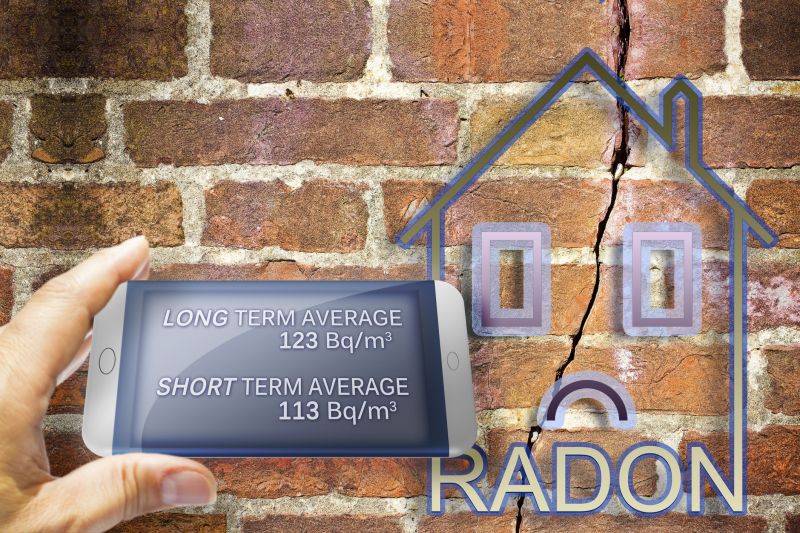
Radon Mitigation Planning
Proper evaluation informs effective strategies to reduce radon exposure in chicago-area homes.
Radon Assessment in Chicago, IL

Radon assessment services involve testing properties to determine the presence and levels of radon gas, a naturally occurring radioactive substance that can accumulate indoors. These services are commonly requested during home inspections, prior to purchasing a property, or when ongoing concerns about indoor air quality arise. Property owners often want to understand whether radon levels exceed safety guidelines, especially in areas known for higher radon prevalence, to make informed decisions about mitigation or other necessary actions.
These assessments typically cover residential homes, including basements, crawl spaces, and living areas, as well as commercial buildings where indoor air quality is a concern. Homeowners should consider questions such as the duration of testing, the types of testing devices used, and how results are interpreted. Understanding the process and what to expect can help property owners prepare for potential follow-up steps, such as radon mitigation, if elevated levels are detected.
Many property owners in Chicago, IL look into Radon Assessment for repairs, replacements, upgrades, and appearance-related improvements.
Common Radon Assessment Jobs
Radon testing - identifies radon levels inside residential and commercial properties.
Radon mitigation assessments - evaluates potential radon entry points and mitigation options.
Pre-sale radon inspections - provides testing to meet real estate transaction requirements.
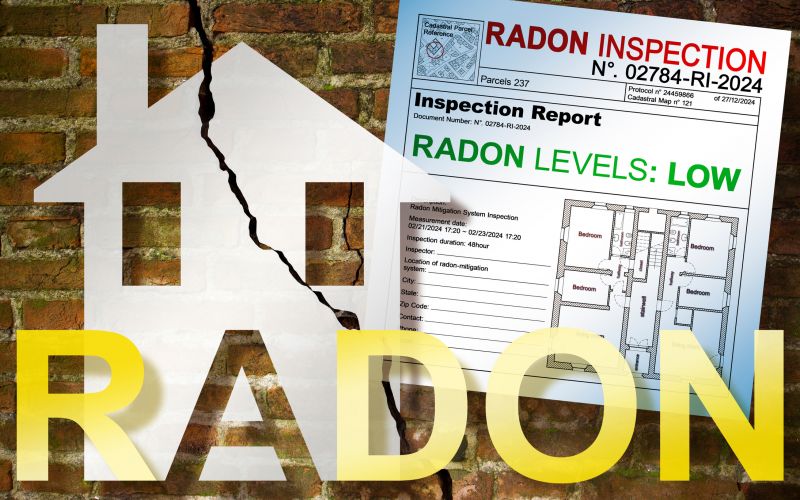
Post-mitigation testing - confirms radon levels are reduced after mitigation system installation.
Basement radon testing - measures radon concentrations in lower-level living spaces.
New construction radon assessments - ensures building designs meet radon safety standards.
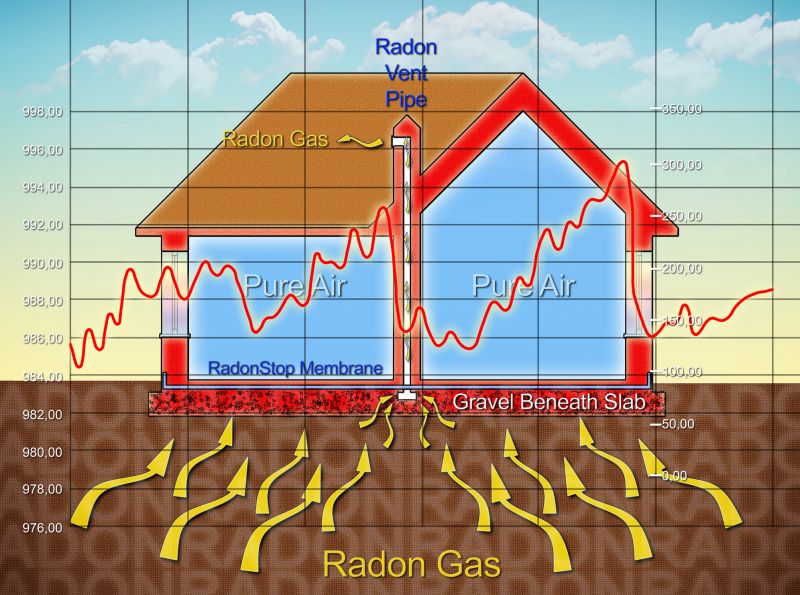
Radon Assessment Questions
What is radon testing? Radon testing measures indoor air levels of radon gas to identify potential health risks in a property.
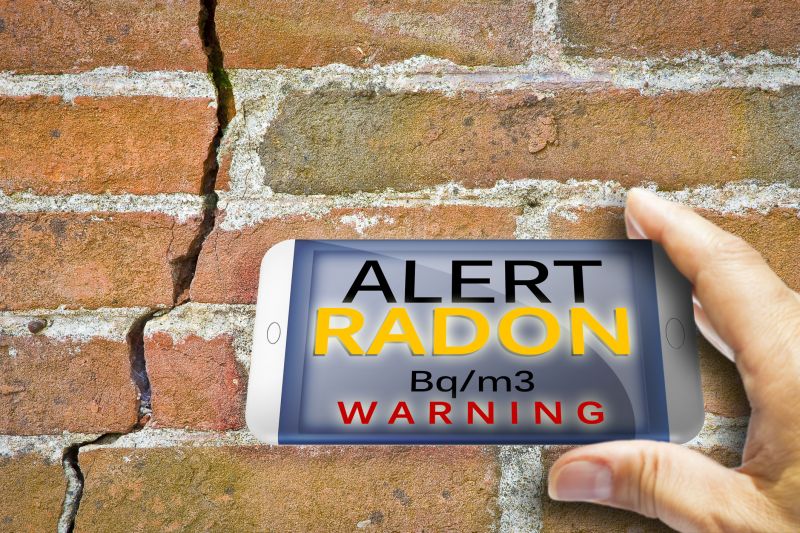
Why is radon assessment important? Radon assessment helps detect elevated radon levels that could pose health concerns for occupants.
What types of properties typically need radon testing? Radon testing is common for homes, especially in areas with known higher radon levels or prior to sale or renovation.
How often should radon testing be performed? Radon testing is recommended whenever a property is purchased, renovated, or if previous tests indicated elevated levels.
Request Radon Assessment in Chicago, IL
Use the quote form on this page to share the basics of your project and request more information for the type of work you need.